 From The Greats
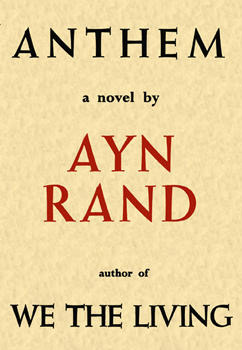
Anthem
Equality 7-2521 pursues scientific discovery in a future society that forbids independent thought and has erased the word “I”.
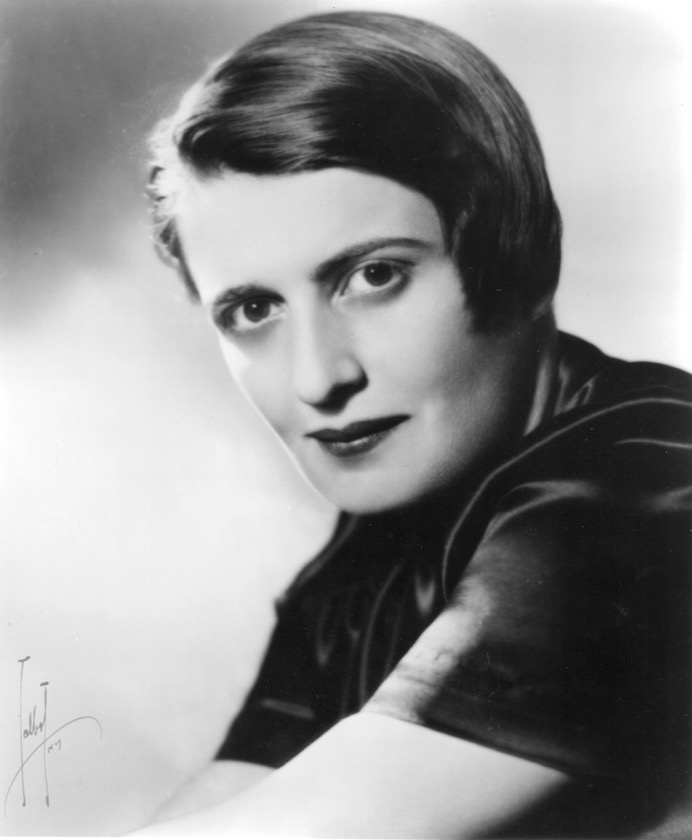 Talbot · 1943 portrait · public domain (US), via Wikimedia Commons
Novelist and philosopher
Novelist and creator of Objectivism, known for The Fountainhead and Atlas Shrugged. Her fiction explores creative independence and the choices that shape a life. Below are books she praised in her own letters and literary criticism, alongside a separate selection of books she wrote.
Direct work from Ayn Rand. This is the highest-signal lane because the ideas come from the operator, investor, researcher, or creator directly.
Equality 7-2521 pursues scientific discovery in a future society that forbids independent thought and has erased the word “I”.
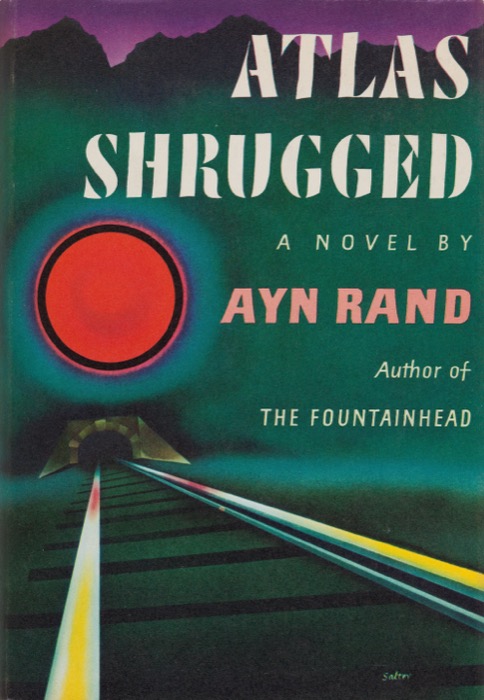
Railroad executive Dagny Taggart and industrialist Hank Rearden try to sustain a failing economy while its most capable people disappear.
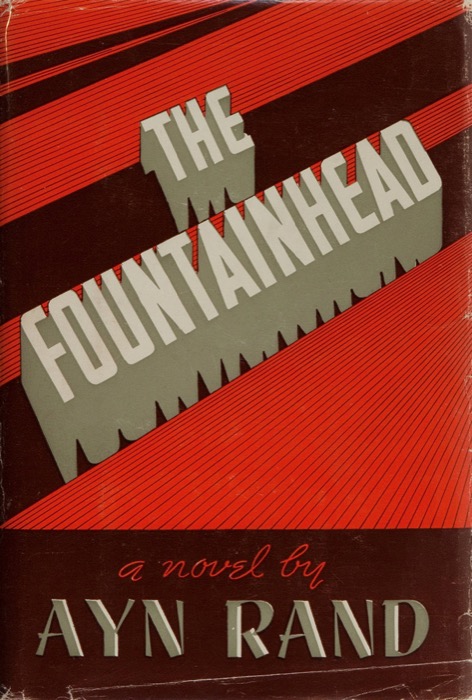
Howard Roark, an architect, fights to preserve his creative independence as professional rejection and social pressure threaten his work.
Each book appears once; every source record remains linked to its evidence and the canonical book profile.
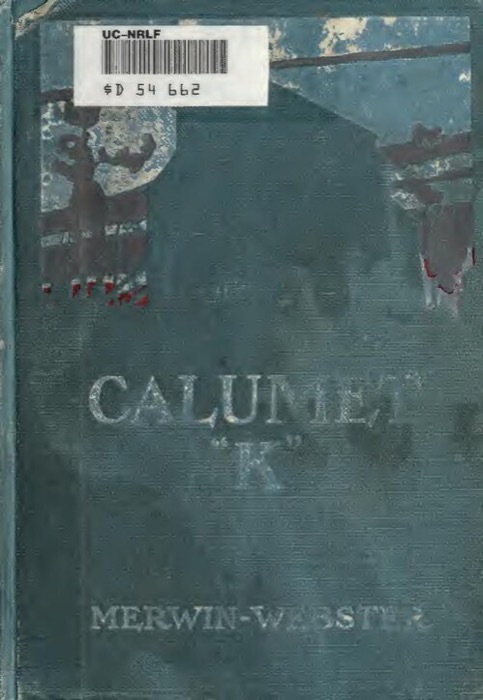
Documented citation: Her favorite story, recommended for readers of The Fountainhead.
In December 1945, Rand named Calumet “K” as her favorite work of literature in a letter to editor Barbara Brandt. She proposed republication under her recommendation for readers of The Fountainhead and offered to write a preface. This is a paraphrase of the linked letter.
This source documents the book relationship, but the displayed text is a catalog summary rather than a verbatim quote.
Ayn Rand Institute · 1945-12-11 · accessed 2026-10-01
letter · Original letter transcript
Original letter transcript explicitly identifies the book as her favorite and proposes its republication under her recommendation.
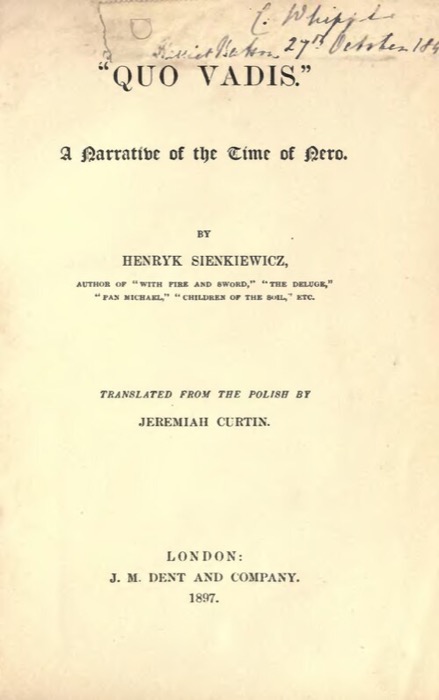
Documented citation: A historical novel she placed among the best Romantic fiction.
In What Is Romanticism?, Rand singled out Quo Vadis as a top-rank novel for its integration of character, purposeful action and plot. Her judgment concerns this novel, rather than every work by Sienkiewicz. The essay was collected in The Romantic Manifesto in 1969; the linked web excerpt is undated. Paraphrase.
This source documents the book relationship, but the displayed text is a catalog summary rather than a verbatim quote.
Ayn Rand Institute · 1969 · accessed 2026-10-01
article · Republished original essay excerpt
ARI republishes Rand’s own essay from The Romantic Manifesto, page 107; she singles out Quo Vadis and The Scarlet Letter as individual top-rank Romantic novels. 1969 is the first collected edition year; the linked ARI Campus republication is undated; this does not assert the essay’s original periodical date.
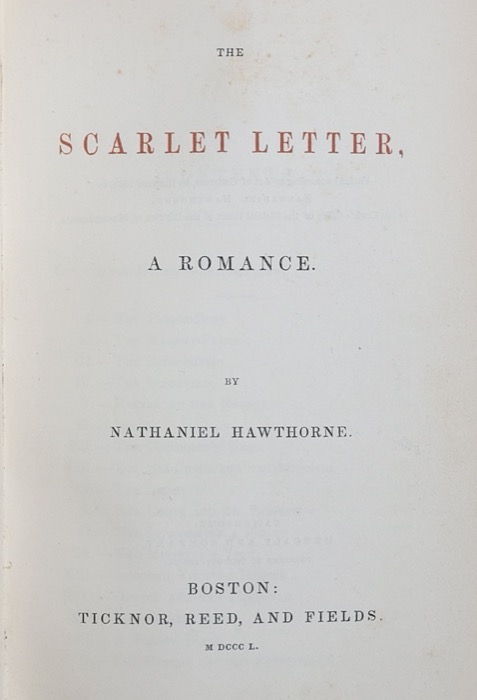
Documented citation: A standout novel in her account of choice and character.
Rand paired The Scarlet Letter with Quo Vadis in her assessment of top-rank Romantic novels, emphasizing characters’ choices and the events those choices produce. These two selections share one essay passage. The Romantic Manifesto first collected the essay in 1969; the linked web excerpt is undated. Paraphrase.
This source documents the book relationship, but the displayed text is a catalog summary rather than a verbatim quote.
Ayn Rand Institute · 1969 · accessed 2026-10-01
article · Republished original essay excerpt
ARI republishes Rand’s own essay from The Romantic Manifesto, page 107; she singles out Quo Vadis and The Scarlet Letter as individual top-rank Romantic novels. 1969 is the first collected edition year; the linked ARI Campus republication is undated; this does not assert the essay’s original periodical date.